

Pacific Community of Policing
To connect, collaborate, and lead Pacific policing excellence now and in the future
WELCOME TO PACPOL
PACPOL is the Pacific Community of Policing
PACPOL is the next step in regional policing cooperation across the Pacific. It brings together the work and achievements of the Pacific Islands Chiefs of Police (PICP) and the Pacific Policing Initiative (PPI) under one new regional identity.
The establishment of PACPOL was endorsed by Pacific Police Chiefs at the 53rd PICP Conference in October 2026, replacing the PICP and PPI.
This is a temporary website during the transition period. Information on the site will continue to be updated as more details about PACPOL become available and are endorsed by Pacific Police Chiefs.
A history of working together
PACPOL reflects the commitment of Pacific Police Chiefs to continue developing Pacific-led policing solutions, strengthen regional coordination and support a stronger collective voice for Pacific policing in the region and around the world.
It is built on the belief that Pacific priorities are best advanced through Pacific leadership, collaboration and partnership.
There are 23 member countries in PACPOL. Each member is represented by the head of their national police service, or by a nominated representative.
our MISSION
To connect, collaborate, and lead Pacific policing
excellence now and in the future
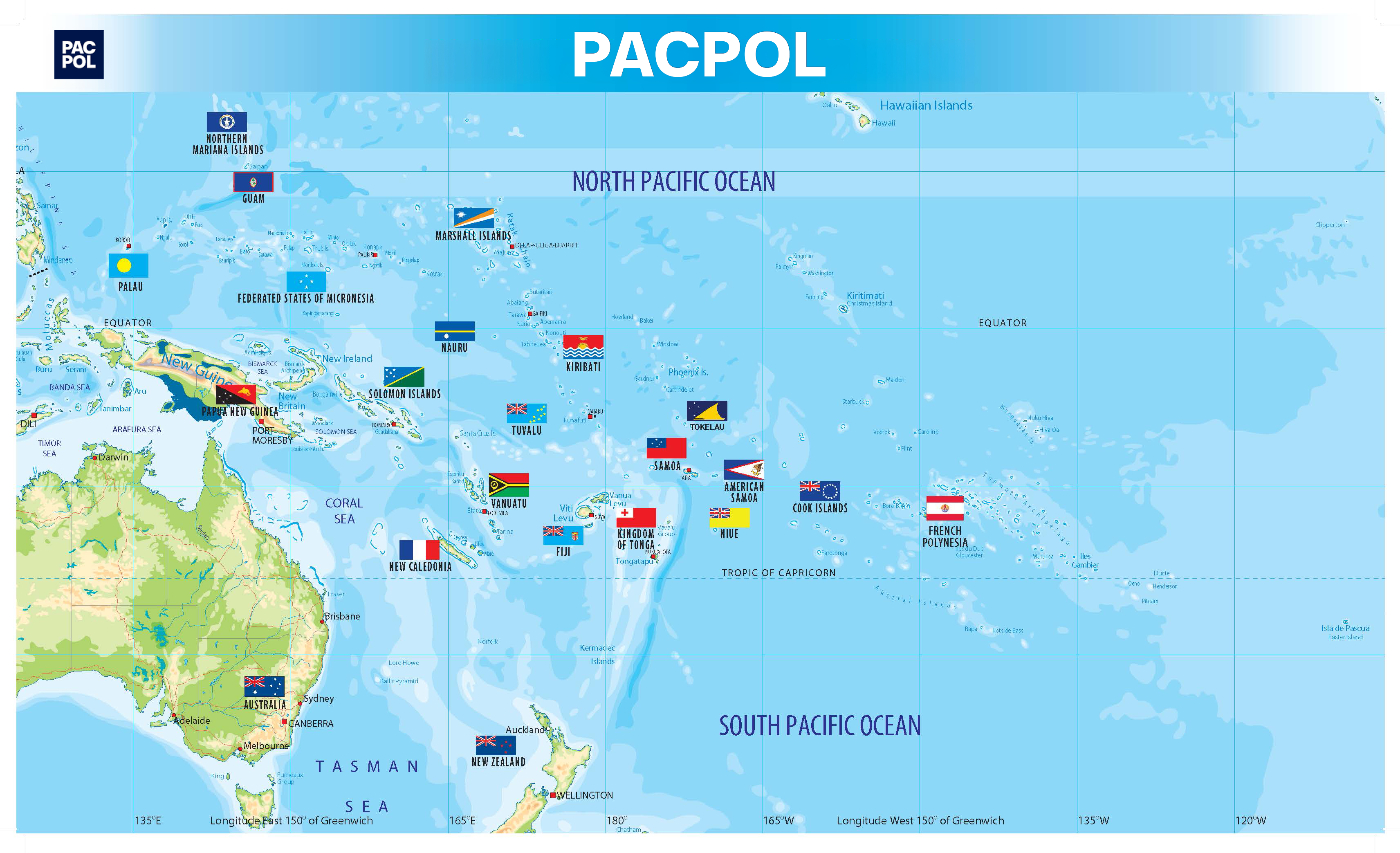
Regional Leadership and Cooperation
We are building on a long history of policing cooperation among Pacific Police Chiefs and regional policing partners. By forming strong relationships, supporting collaboration and strengthening collective leadership, Pacific policing organisations can work together to address shared challenges and opportunities across the region.
As regional policing continues to evolve, we aim to provide a stronger regional identity and a shared voice for Pacific policing across the region and the world. This will support Pacific-led coordination and engagement on issues that affect the region.
As regional policing continues to evolve, we aim to provide a stronger regional identity and a shared voice for Pacific policing across the region and the world. This will support Pacific-led coordination and engagement on issues that affect the region.
EVERY DOLLAR COUNTS
Make a Donation Today
Thank you! Your submission has been received!
Oops! Something went wrong while submitting the form